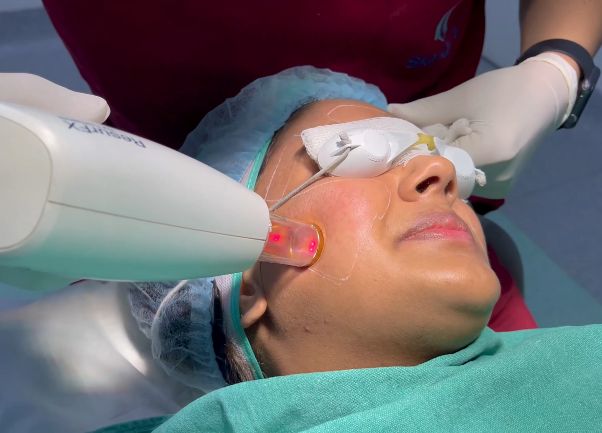
Reveal The NU in You:
Book your appointment today with our expert dermatologist for a perfect diagnosis & medical advice at SkinQure Clinic. Consultation is available both online and offline.
Engage with organizations that provide safe, trauma-informed spaces for disclosure.
Survivor Stories Needed For “What Were You Wearing?” Exhibit - IUP rape mod works for wicked whims sex install
A survivor may agree to share their story today, but after the article goes viral or the documentary airs, they may experience backlash or PTSD triggers. Ethical campaigns include a "right to rescind" clause, allowing survivors to pull their story at any time, regardless of legal contracts. The world of video game modifications, or mods,
The world of video game modifications, or mods, has always been a complex and dynamic landscape. With millions of gamers worldwide, the demand for new and exciting content has led to the creation of a vast array of mods. However, some mods have sparked intense debate and controversy, particularly those that involve sensitive topics like rape. In this article, we'll delve into the specifics of the "Rape Mod Works for Wicked Whims Sex Install" and provide a balanced exploration of the issue. In this article, we'll delve into the specifics
“The personal narrative bypasses the rational defenses of the brain,” explains Dr. Helena Vance, a clinical psychologist specializing in trauma communication. “It lands in the limbic system—the seat of emotion. That is where motivation to act is born.”
The primary power of a survivor story lies in its ability to foster empathy and break down psychological distance. Statistics numb; stories stir. A figure like “one in three women experience intimate partner violence” is critical for researchers, but it remains abstract for the average person. However, hearing a specific survivor describe the moment they realized their home was no longer safe—the trembling hands, the whispered apologies, the calculated escape—transforms a data point into a lived reality. This narrative transportation allows audiences to see the world through another’s eyes, dismantling stereotypes and humanizing complex issues. For example, campaigns against HIV/AIDS in the 1980s were often hampered by fear and misinformation. It was only when public figures like Ryan White and later Magic Johnson shared their personal journeys that the public began to see the disease not as a moral judgment, but as a medical condition affecting real people.
Engage with organizations that provide safe, trauma-informed spaces for disclosure.
Survivor Stories Needed For “What Were You Wearing?” Exhibit - IUP
A survivor may agree to share their story today, but after the article goes viral or the documentary airs, they may experience backlash or PTSD triggers. Ethical campaigns include a "right to rescind" clause, allowing survivors to pull their story at any time, regardless of legal contracts.
The world of video game modifications, or mods, has always been a complex and dynamic landscape. With millions of gamers worldwide, the demand for new and exciting content has led to the creation of a vast array of mods. However, some mods have sparked intense debate and controversy, particularly those that involve sensitive topics like rape. In this article, we'll delve into the specifics of the "Rape Mod Works for Wicked Whims Sex Install" and provide a balanced exploration of the issue.
“The personal narrative bypasses the rational defenses of the brain,” explains Dr. Helena Vance, a clinical psychologist specializing in trauma communication. “It lands in the limbic system—the seat of emotion. That is where motivation to act is born.”
The primary power of a survivor story lies in its ability to foster empathy and break down psychological distance. Statistics numb; stories stir. A figure like “one in three women experience intimate partner violence” is critical for researchers, but it remains abstract for the average person. However, hearing a specific survivor describe the moment they realized their home was no longer safe—the trembling hands, the whispered apologies, the calculated escape—transforms a data point into a lived reality. This narrative transportation allows audiences to see the world through another’s eyes, dismantling stereotypes and humanizing complex issues. For example, campaigns against HIV/AIDS in the 1980s were often hampered by fear and misinformation. It was only when public figures like Ryan White and later Magic Johnson shared their personal journeys that the public began to see the disease not as a moral judgment, but as a medical condition affecting real people.
Book your appointment today with our expert dermatologist for a perfect diagnosis & medical advice at SkinQure Clinic. Consultation is available both online and offline.
Copyright @ 2026. All Rights Reserved