.svg)




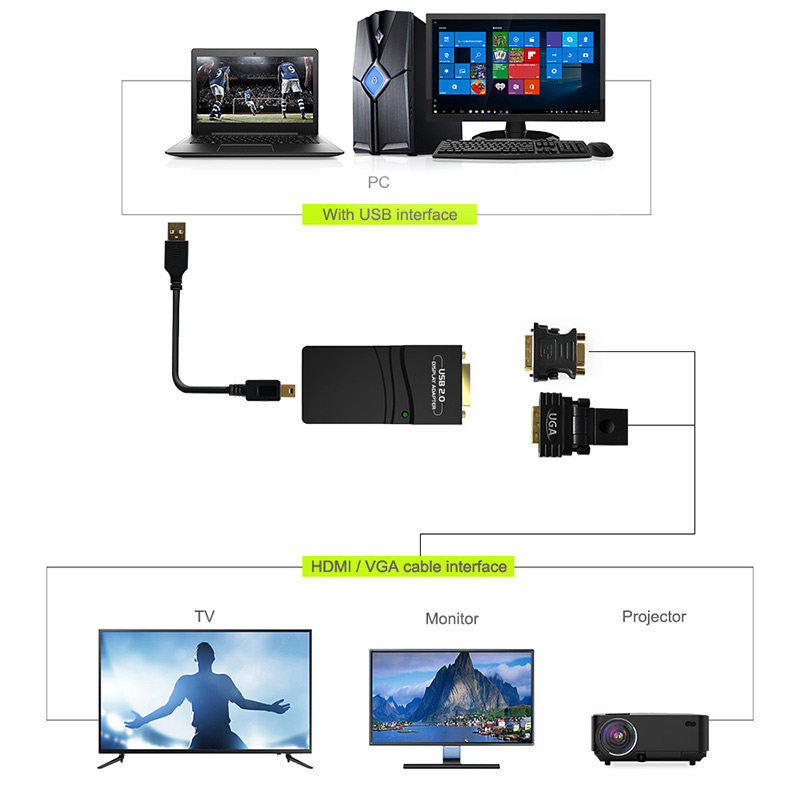
The adapter for multiple displays with mode extend. Just grab and go, the perfect travel companion and essential accessory for your trip around the world. Plug and play, maximum convenience.
WS-UG17D1
Scream, written by Kevin Williamson and directed by Wes Craven, was a game-changer in the horror genre. At the time of its release, horror movies were facing a creative slump, with many relying on tired tropes and clichés to scare audiences. Scream, on the other hand, decided to turn the genre on its head by self-awarely satirizing these very same tropes.
"Choose," the voice said. "Tell me who to call, or who to watch next."
The film's success also spawned a franchise, with four sequels, including "Scream 2," "Scream 3," "Scream 4," and the recent "Scream" (2022) and "Scream VI" (2023).
Enjoy watching "Scream"!
The film's use of horror movie tropes as a narrative device also serves as a commentary on the way we consume and interact with media. The characters in Scream are essentially trapped in a horror movie, forced to navigate a world that is determined by a set of arbitrary rules. This serves as a clever metaphor for the way we engage with media, where our expectations and perceptions can shape our experiences.
He tried bargaining. He promised to delete, to confess, to call his sister tomorrow—anything the file wanted, if only it would stop. The player responded with a calendar overlay showing dates he had not planned to leave blank: birthdays, anniversaries, small obligations everyone expects you to remember. Except one slot flashed empty: the anniversary of the night in the alley. The bar beneath it ticked forward like a countdown.
Ravi kept his sorrow quiet. He told his sister, eventually, about the night in the alley. She listened without theatrics, and when he finished she only said, "You were young. You didn't mean it." Her voice was a slow, steady thing that didn't require a player to translate. He didn't know if she forgave him; he only knew that speaking the secret made it simpler, easier to carry.