Download Password.txt ((better))
Flocus is a free browser-based dashboard
to fuel your productivity, all in one place.

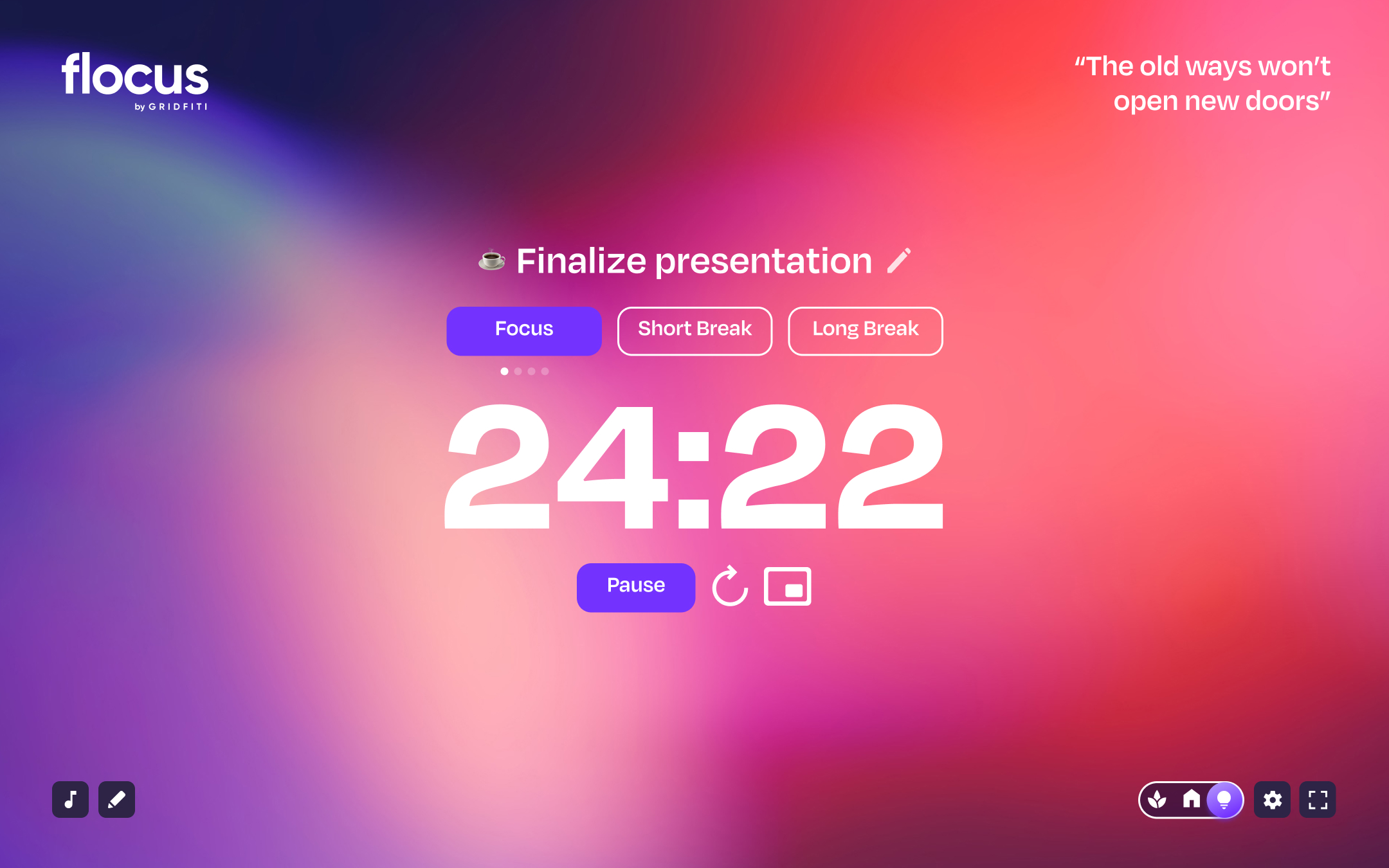
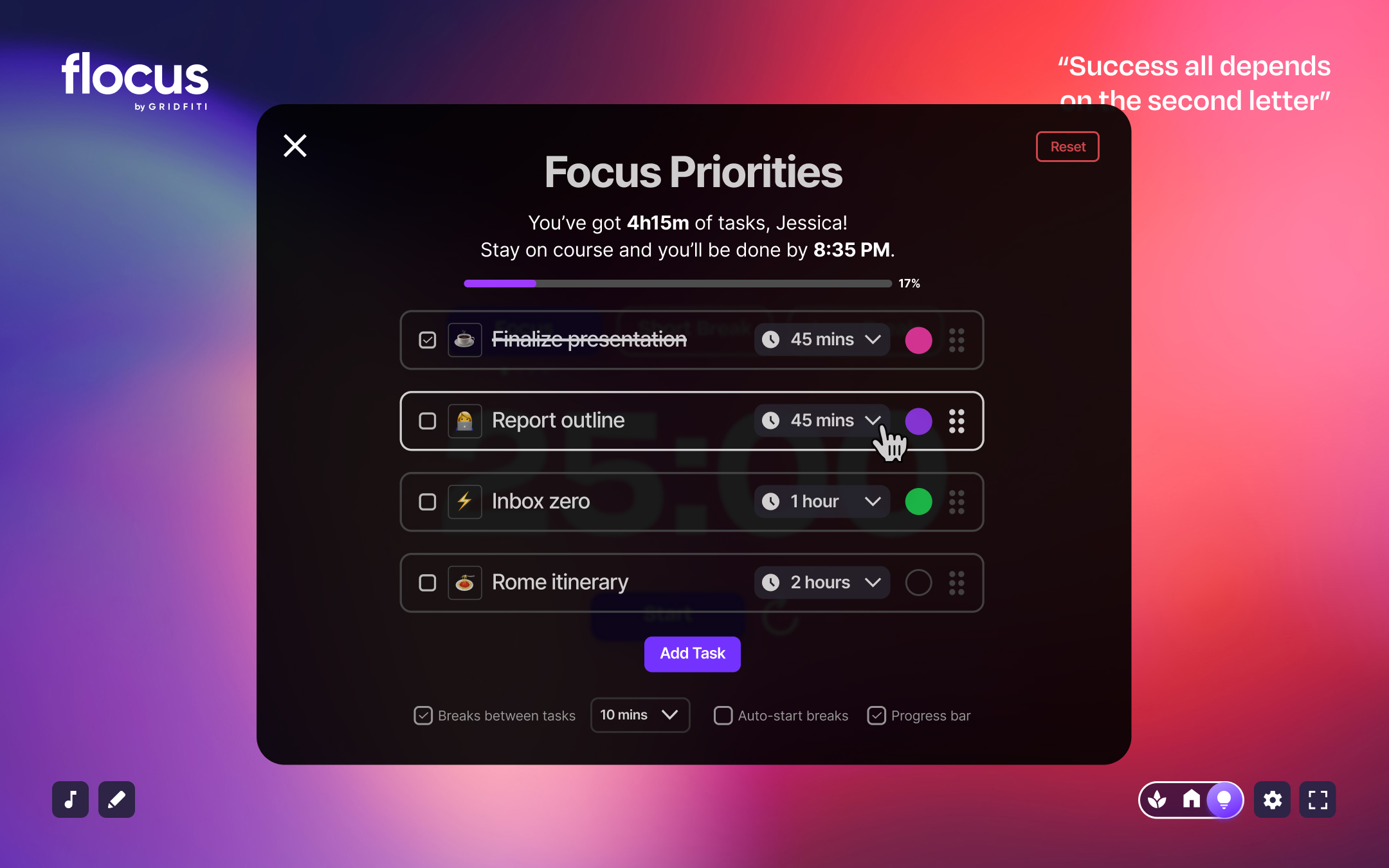
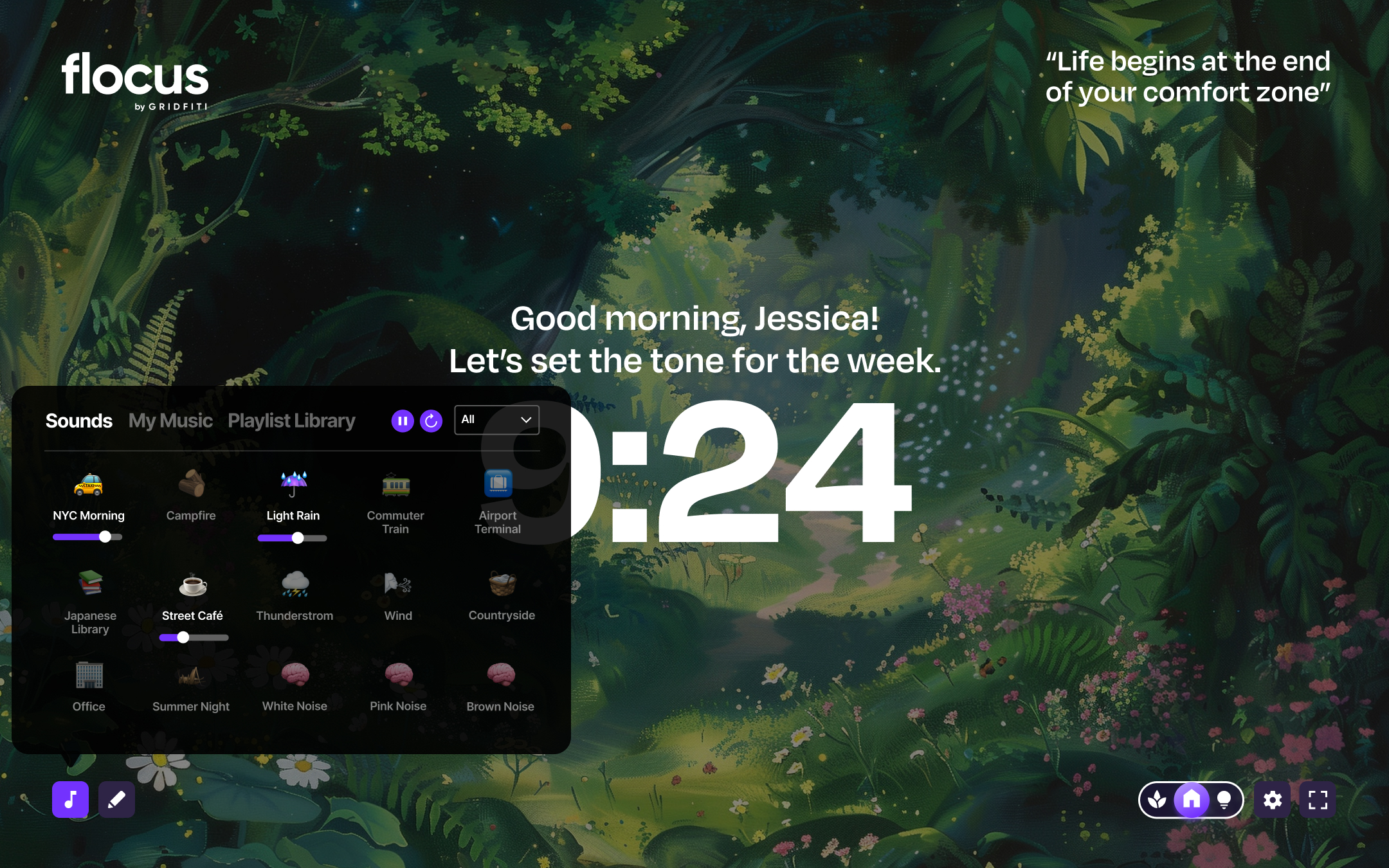
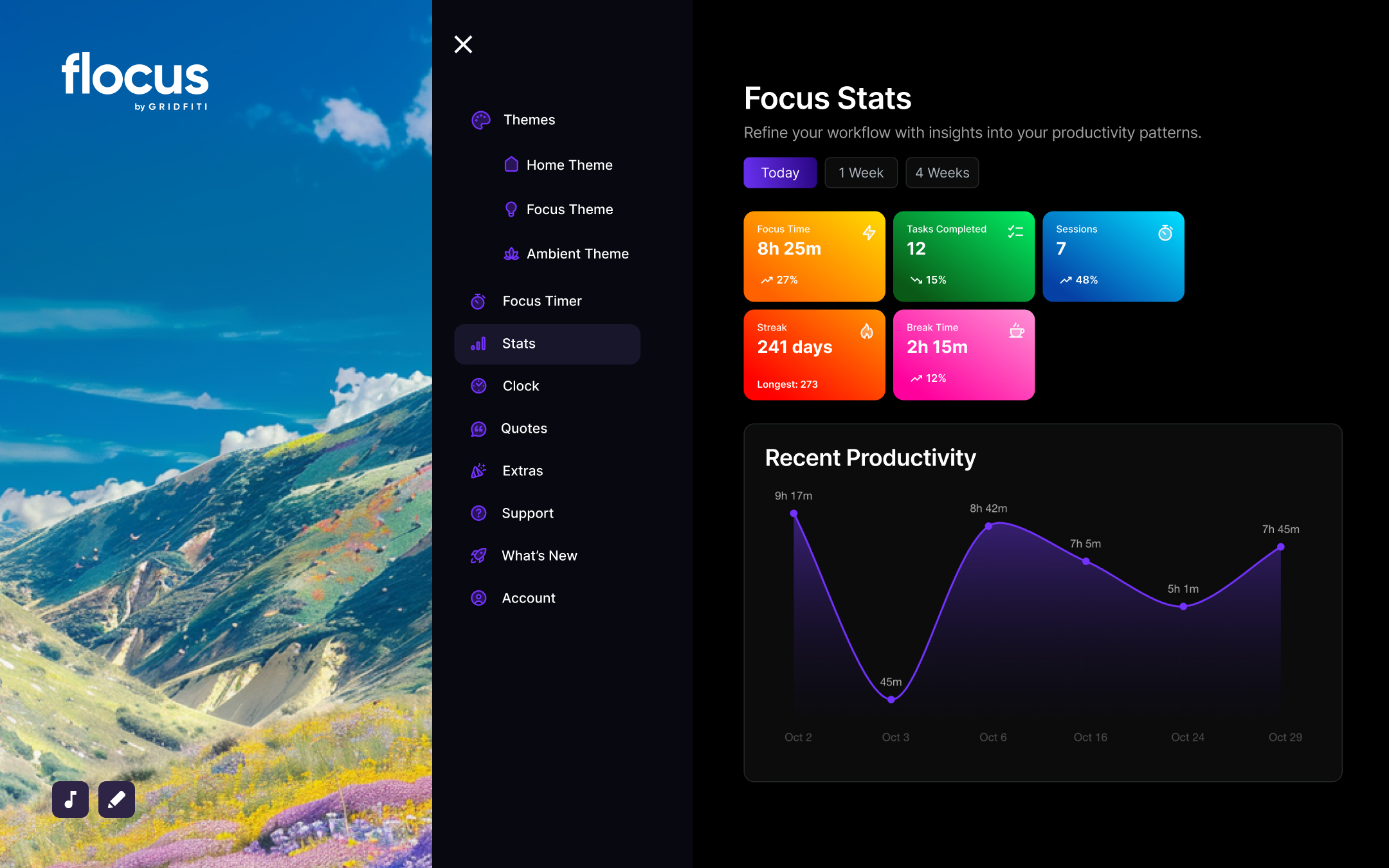
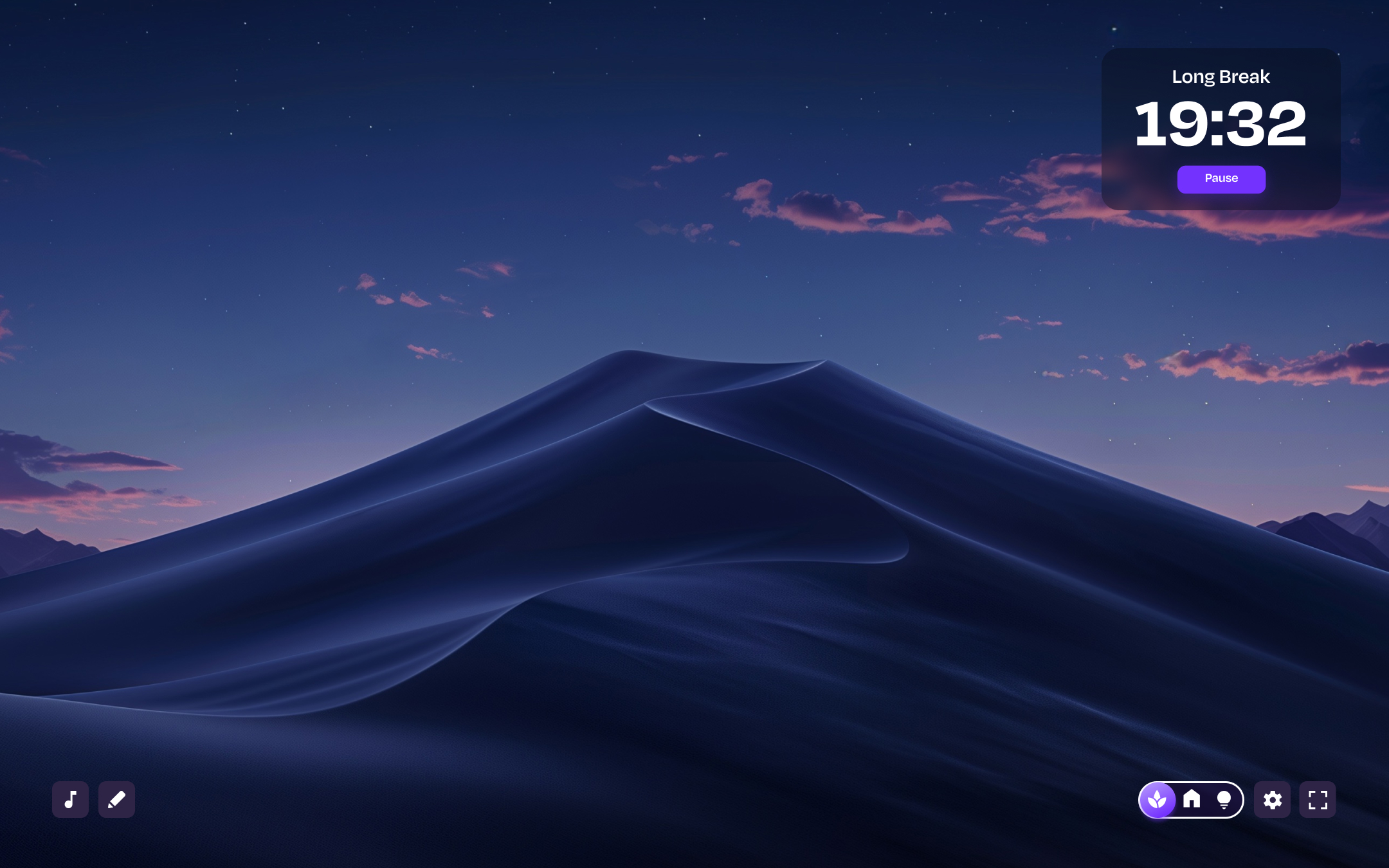
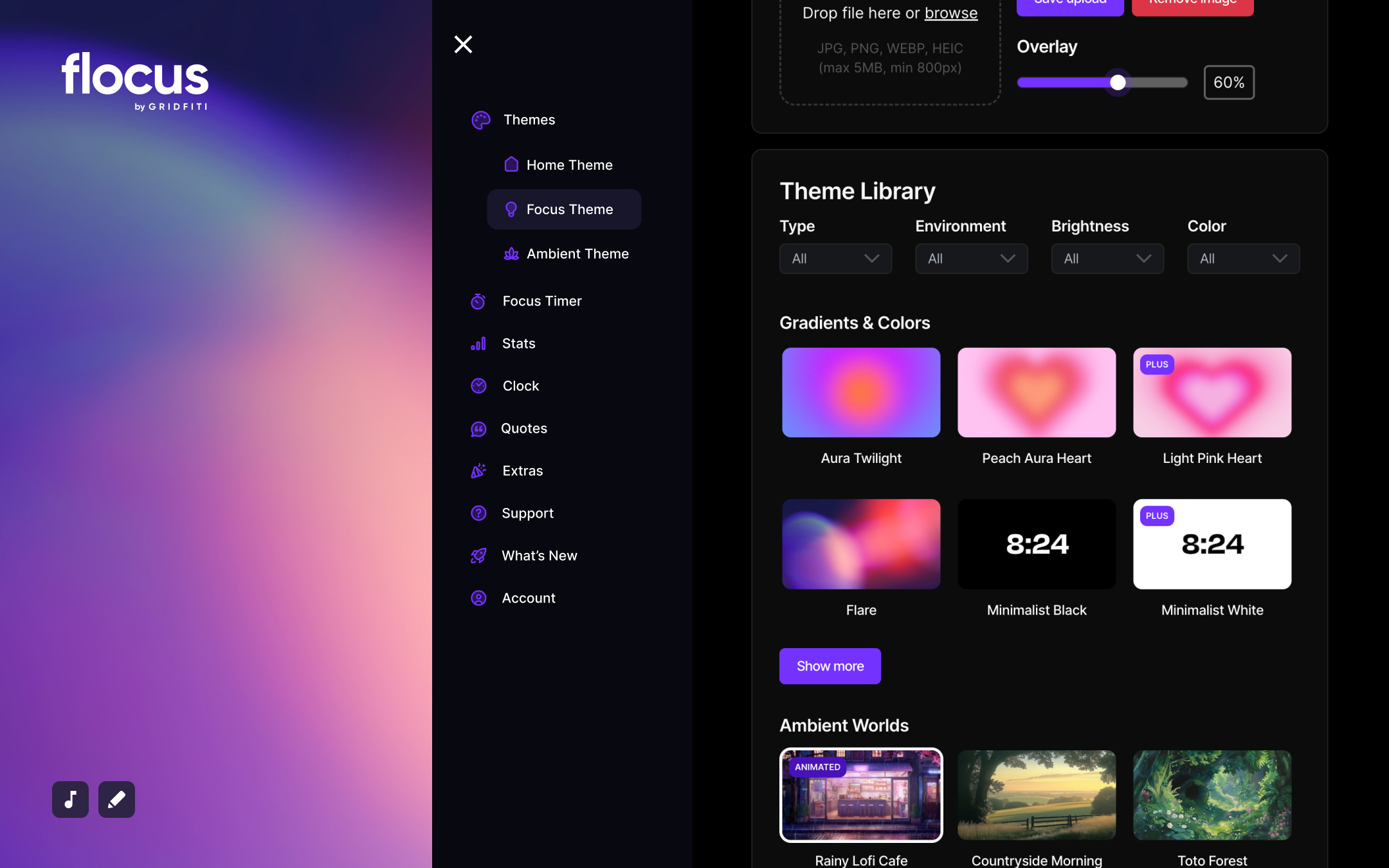
Flocus is a free browser-based dashboard
to fuel your productivity, all in one place.
Loved and trusted by over 1 million humans at top schools and companies

We’re here to redefine the way you work and recharge every day, without overcomplicating it.
Whether you’re a professional, student, or go-getter, Flocus is here to make your productivity journey more efficient, personalized, and beautiful.
Go to Flocus in browserSeamlessly toggle between your personal home base, focus sessions, and soothing breaks.
Try it for yourself:

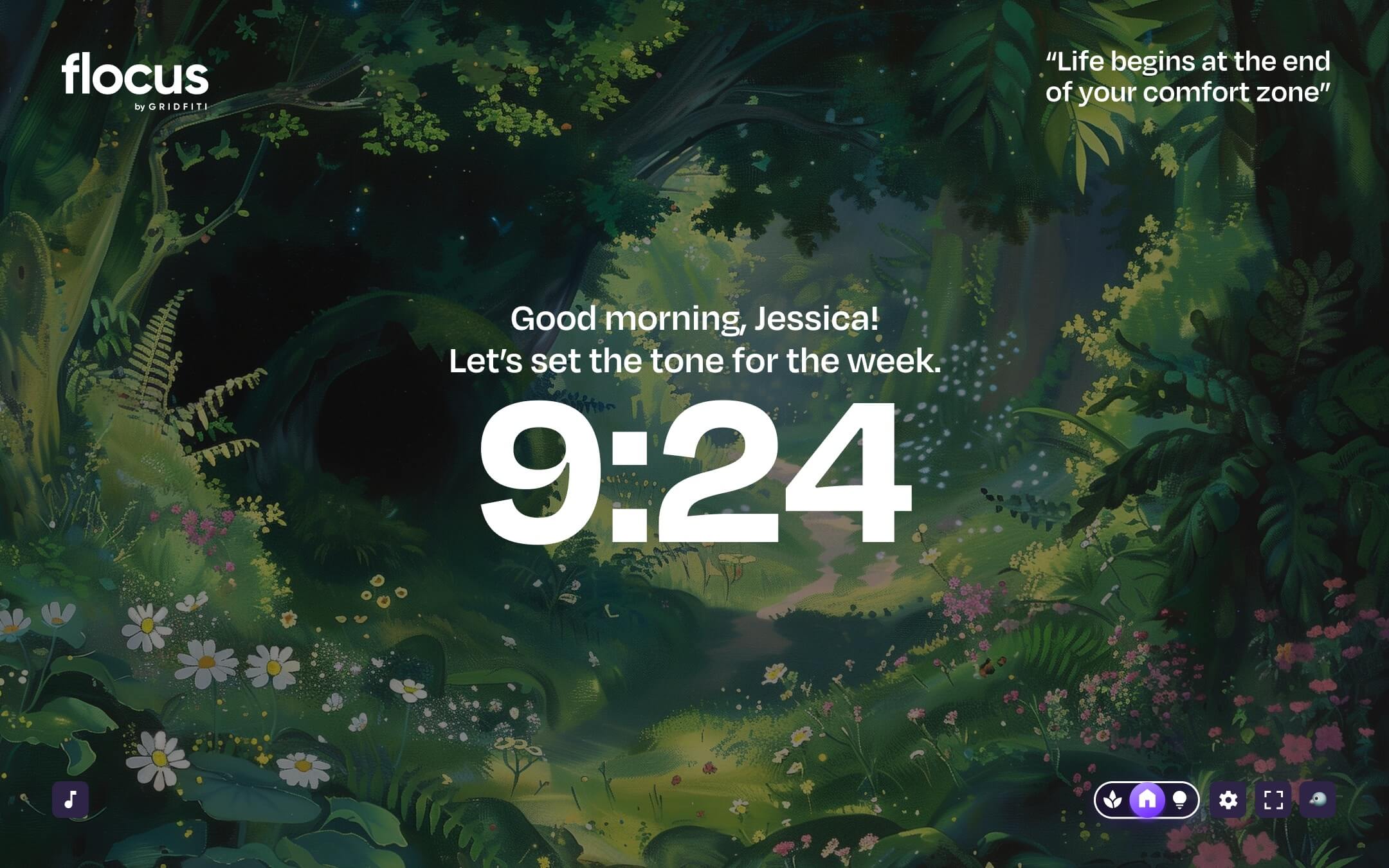
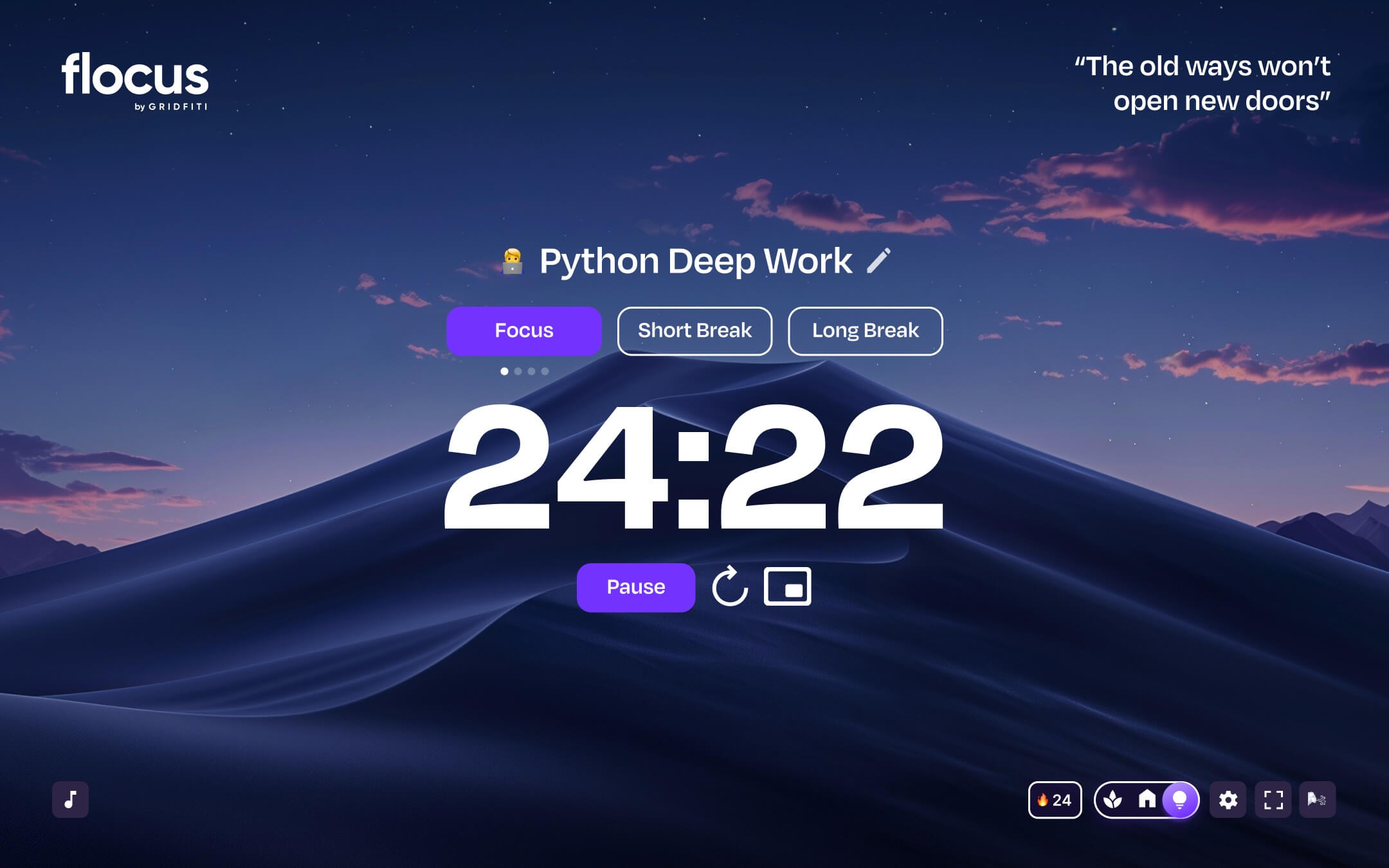
Whether you’re on your grind or ready to unwind — your dash is there for every part of your day.
Go to FlocusIf you’re working on a challenge and need to inspect or download password.txt , here’s a general approach depending on the environment:
Who is the (a client, a teacher, or a blog)?
If you are writing a web application and want to allow users to generate and download a password file directly from their browser, you can use a or a hidden anchor tag. Function Example javascript download(filename, text) element = document.createElement( ); element.setAttribute( 'data:text/plain;charset=utf-8,' + encodeURIComponent(text)); element.setAttribute( 'download' , filename); element.style.display = download password.txt
Many of these "download password.txt" files contain top offenders like "123456" or "password," which are easily exploited in credential attacks.
Use a password manager instead of a .txt file for your security. 💻 Technical Tutorial (JavaScript/Web) If you’re working on a challenge and need
To prepare a feature for downloading a password.txt file, you can implement a client-side solution that generates the text content and triggers a browser download without requiring a server-side file to exist beforehand. Implementation Guide
Found a /backup/ directory that is world-readable. 🔓 Exploitation Path 1. Identifying the Vulnerability Use a password manager instead of a
Use tools like Bitwarden, 1Password, or KeePass to store your passwords securely, encrypted, and in one place.
Balanced productivity right to your inbox
Sign up for our weekly newsletter, The Flow, for concise, value-packed focus and recharge tips.

© Gridfiti Inc. All rights reserved.
All Rights Reserved © 2026 Eastern Elite Scope