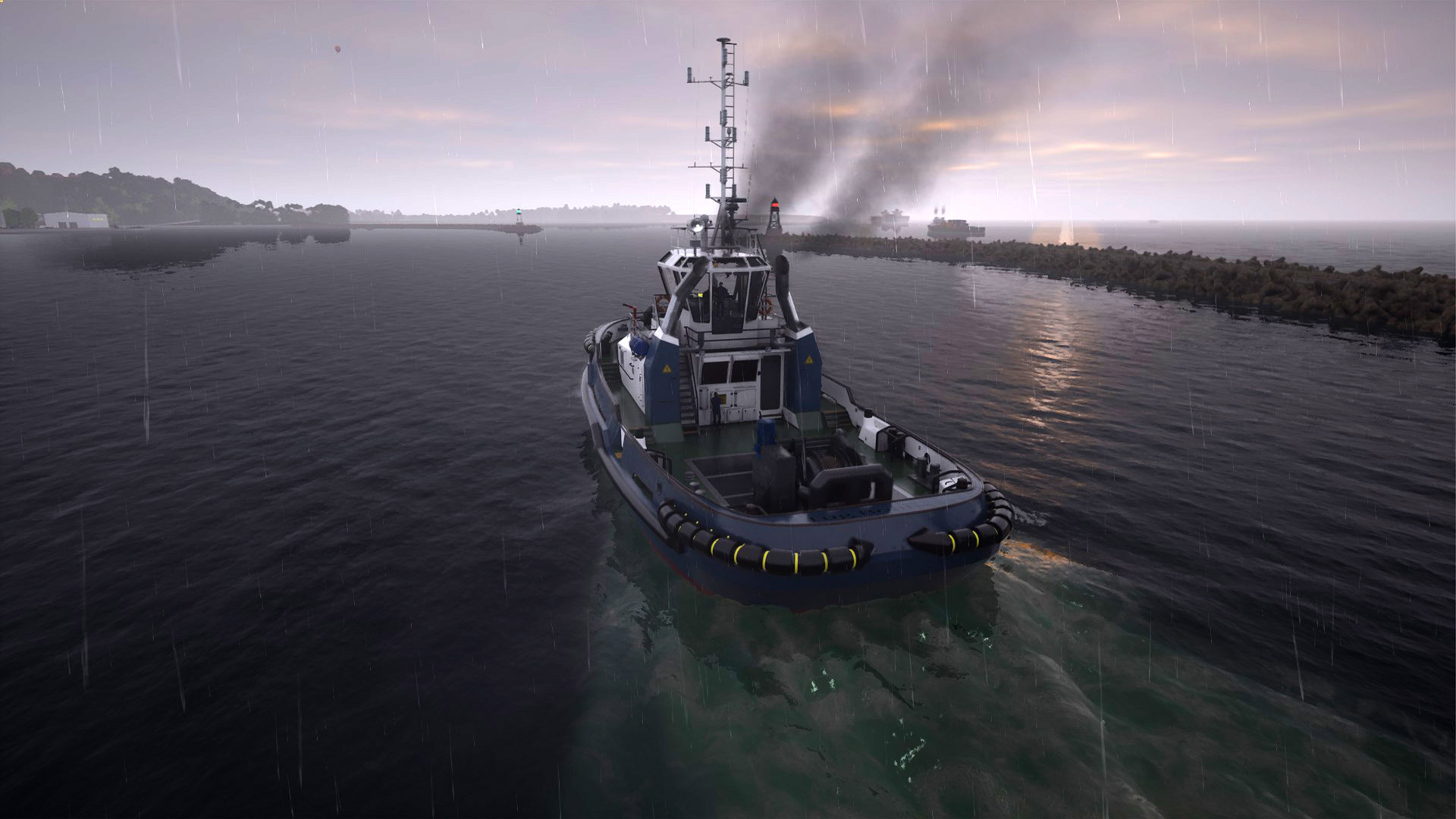
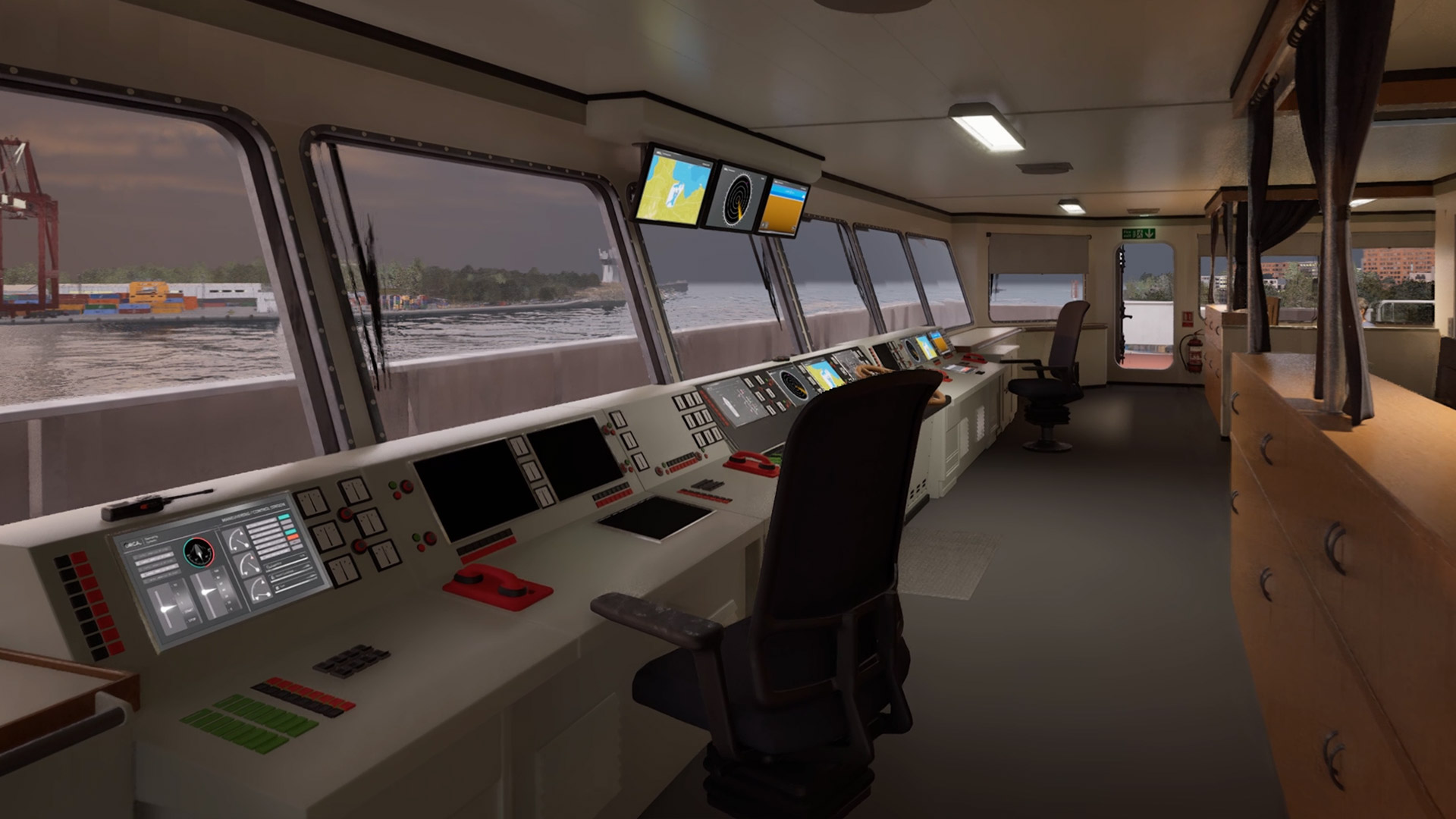
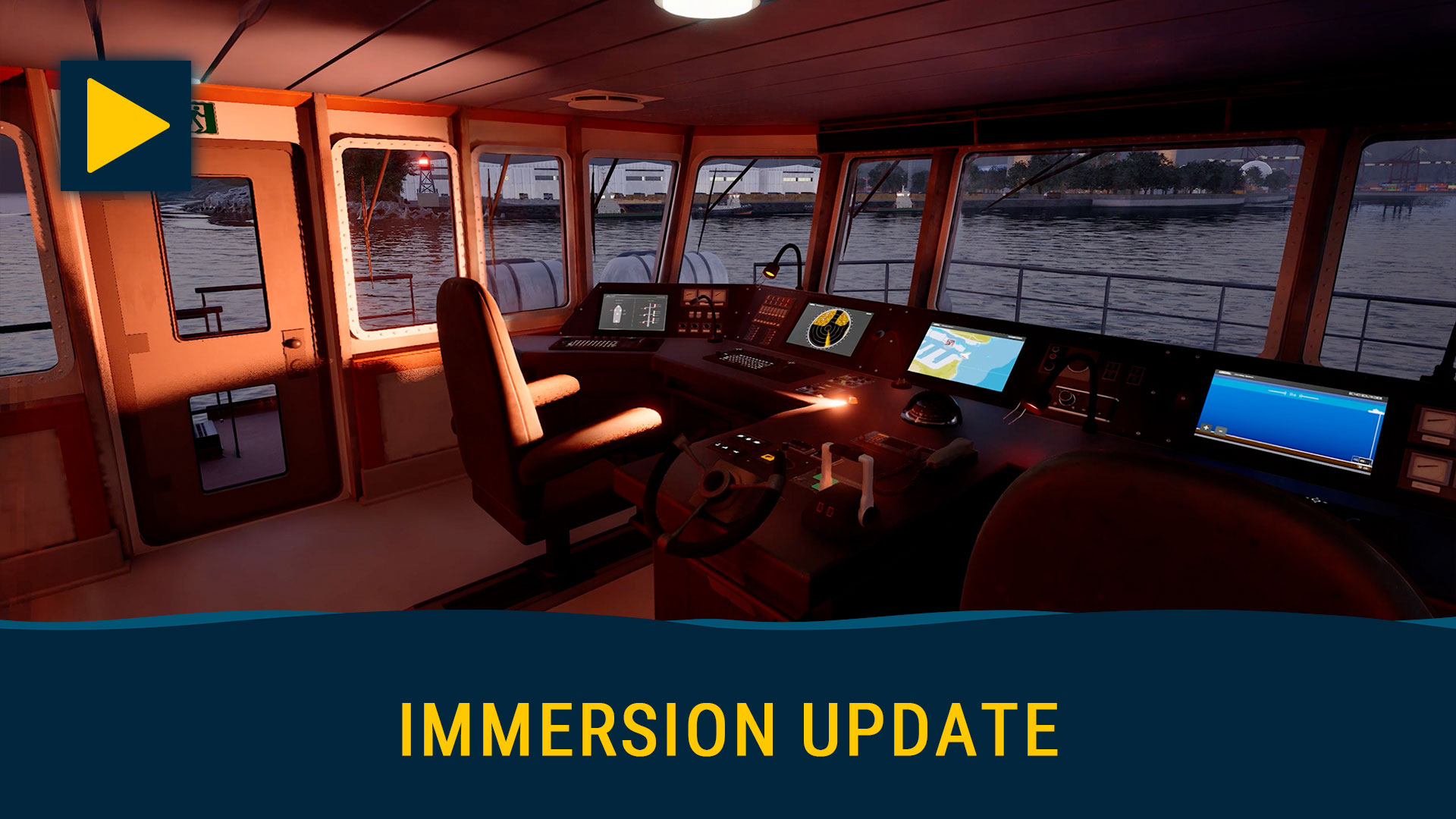
Feel the wind in your face, the deck beneath your feet and the salt on your lips.
Seafarer: The Ship Sim is in Early Access. We’d love for you to come aboard and launch your maritime career with us. The world, the ships, and the systems will grow update by update, and you’re invited to watch and shape that journey as it happens.
We want you to enjoy life at sea. This isn't a high-realism work training simulator in which you have to memorise every bolt or tick off endless checklists before you even start the engine. Our goal is simple: Take things at your own pace on a huge open map. Follow a career path or jump straight into the action in quick play. It’s your call.
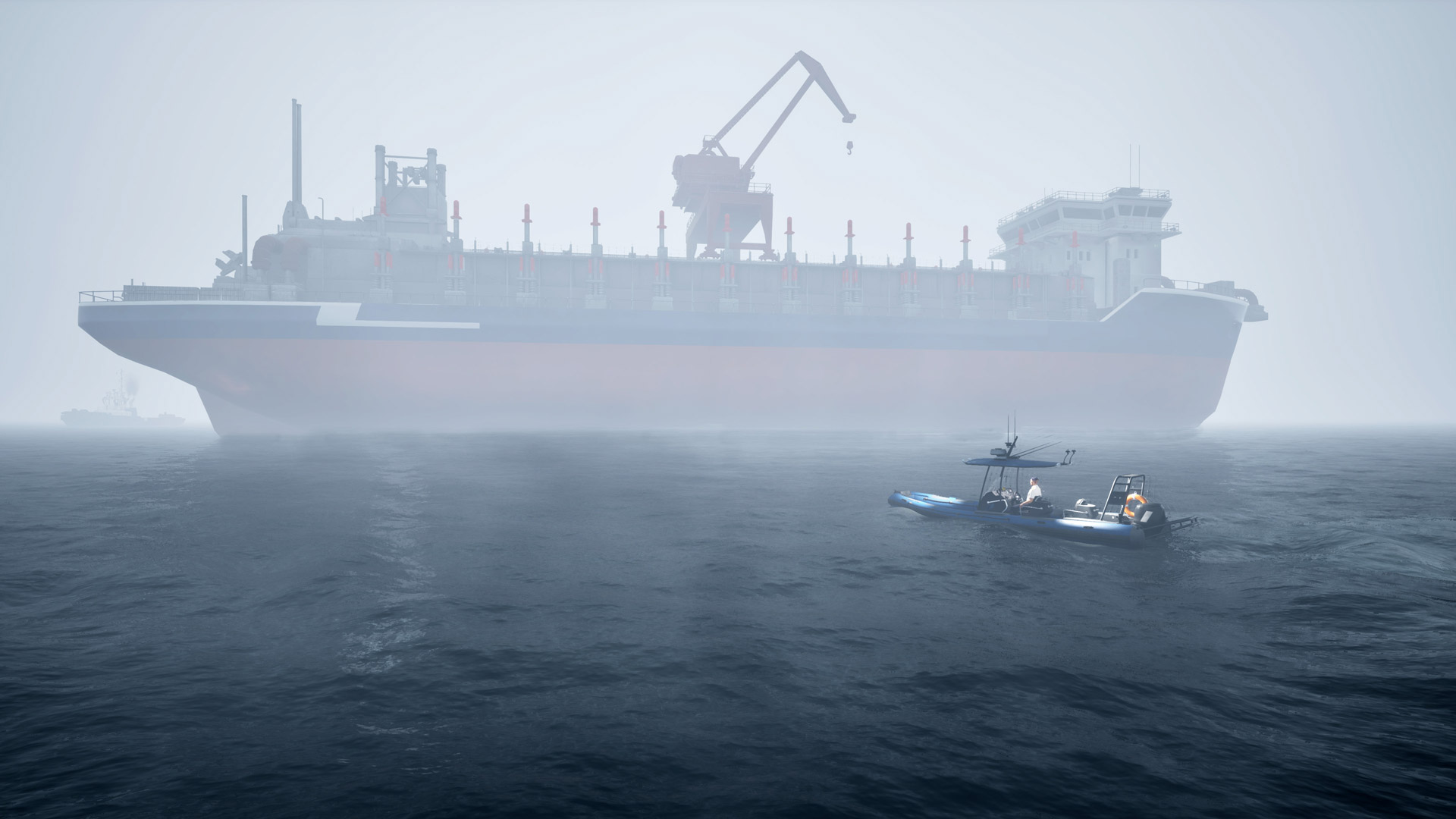
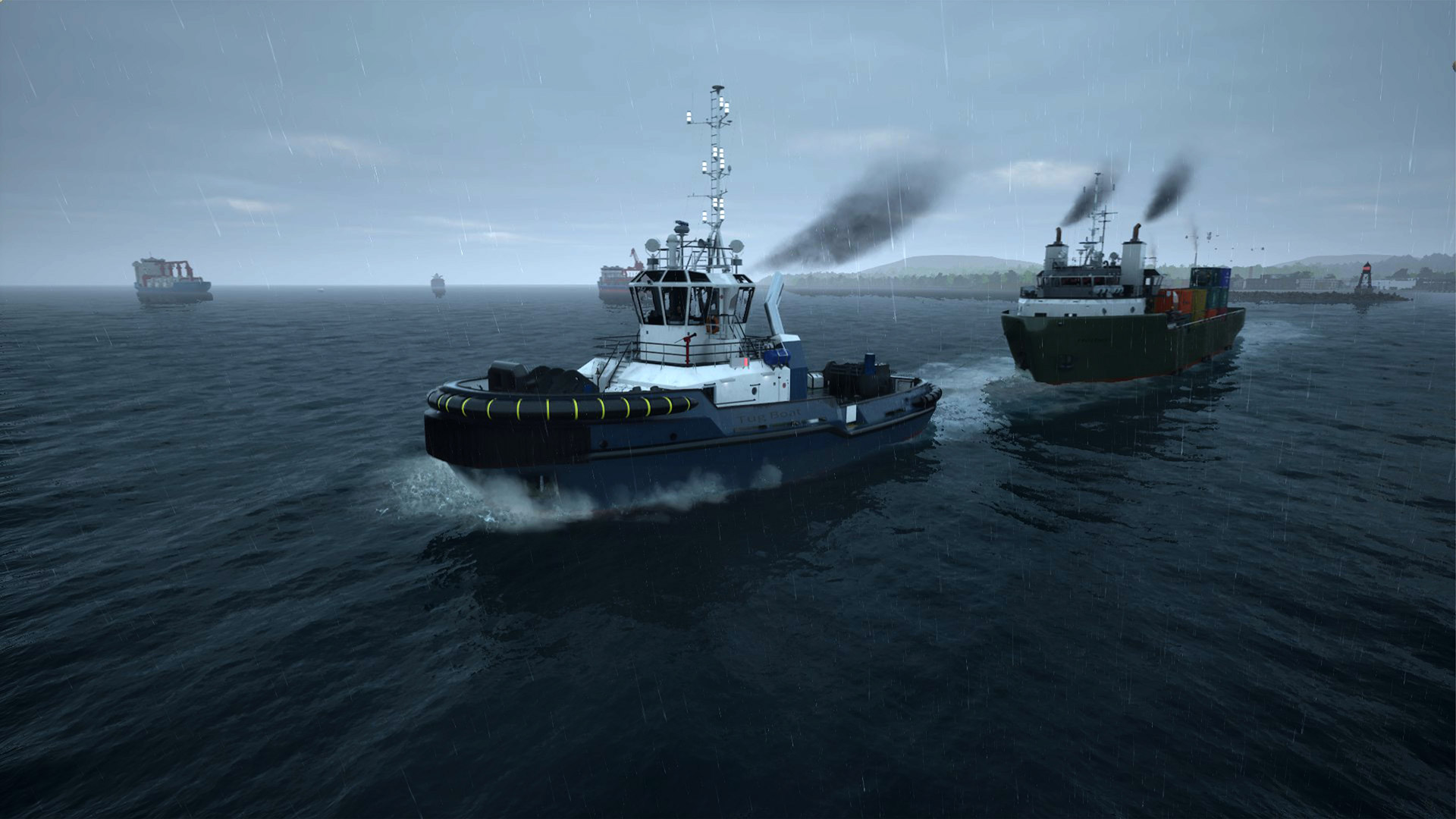
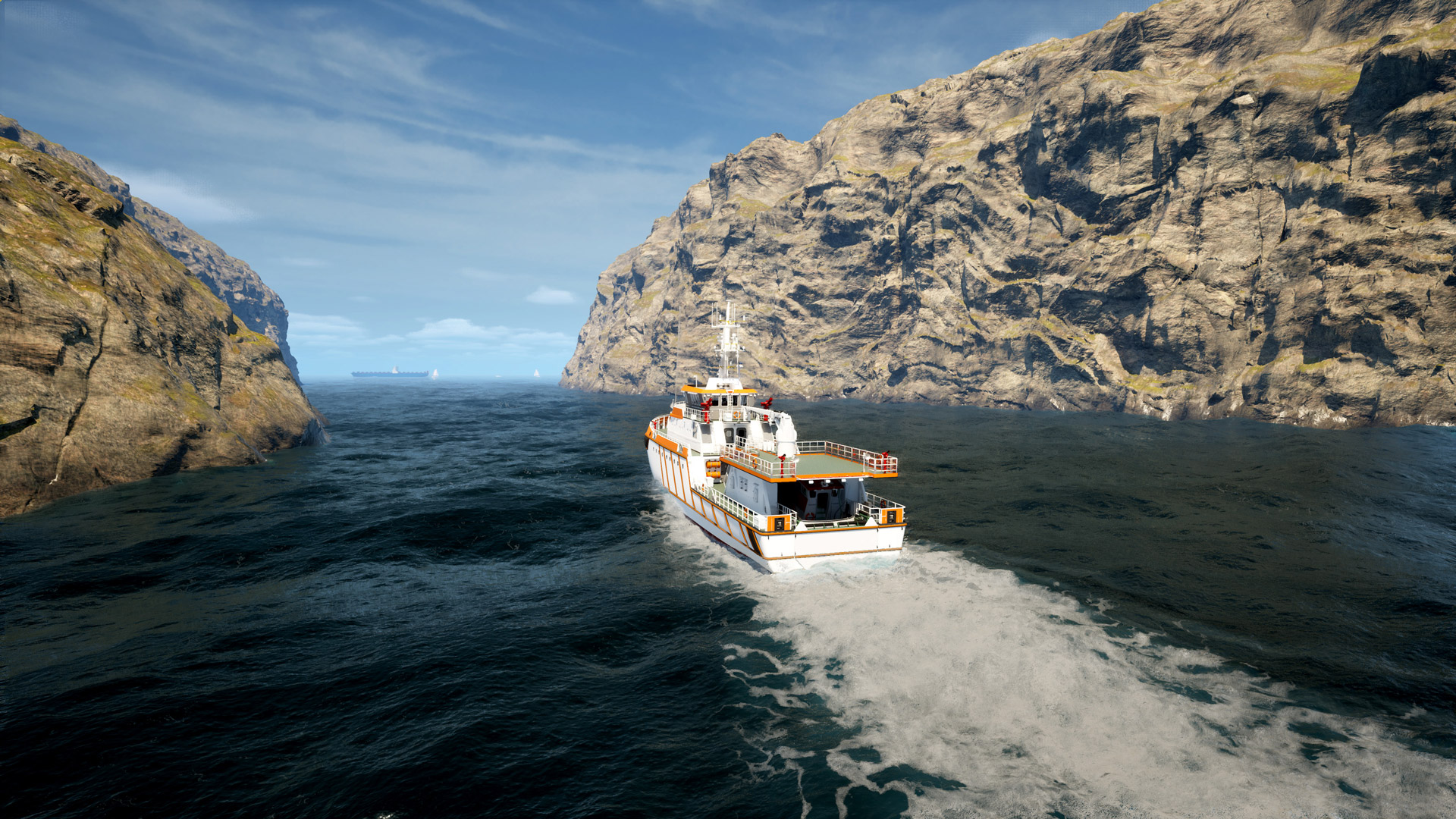
No two days on the water are the same. Calm sunrises over quiet seas can turn into rough storms without warning. Dynamic waves, changing weather, and unexpected encounters make every voyage feel a little different and, hopefully, memorable.
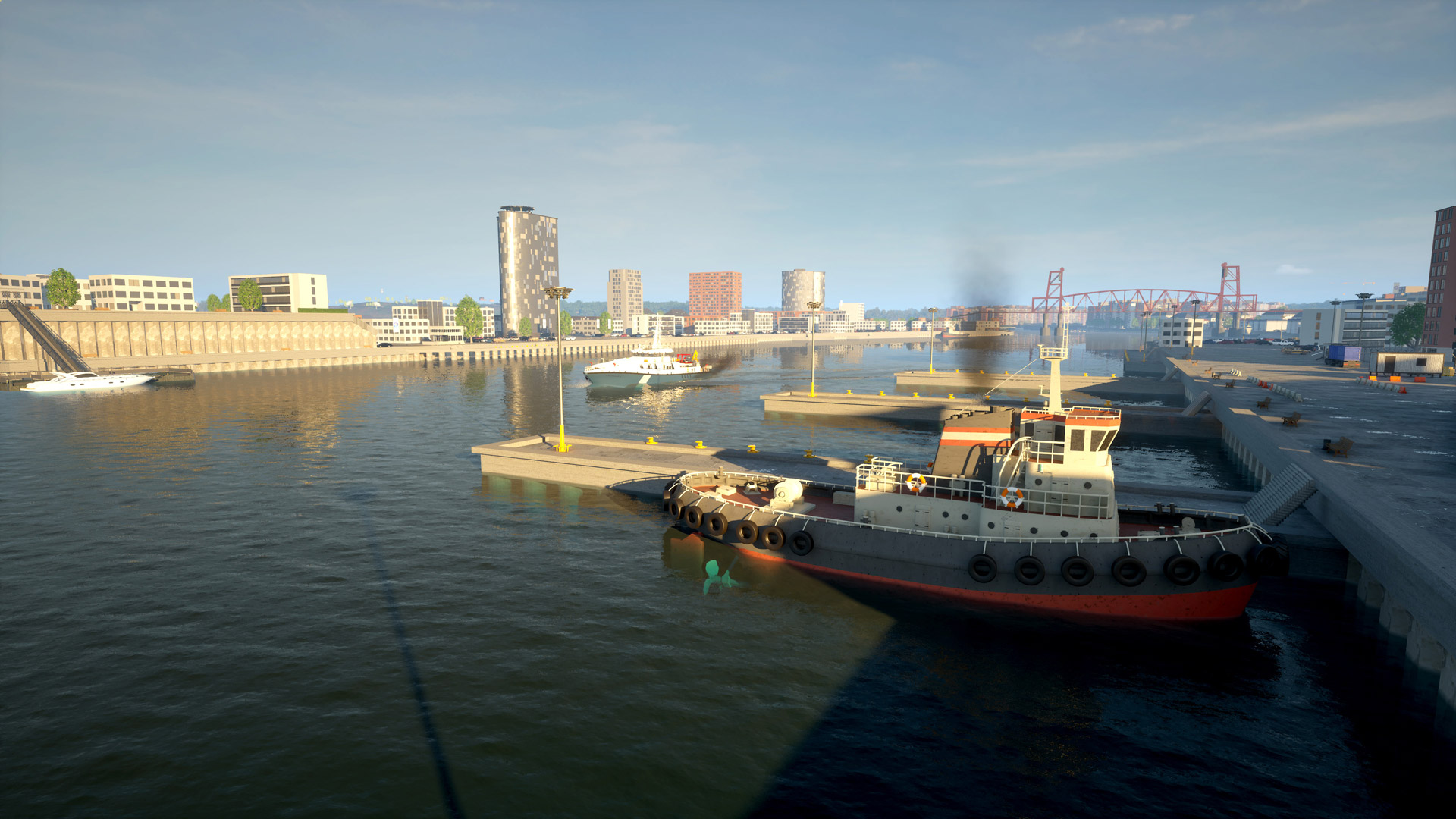
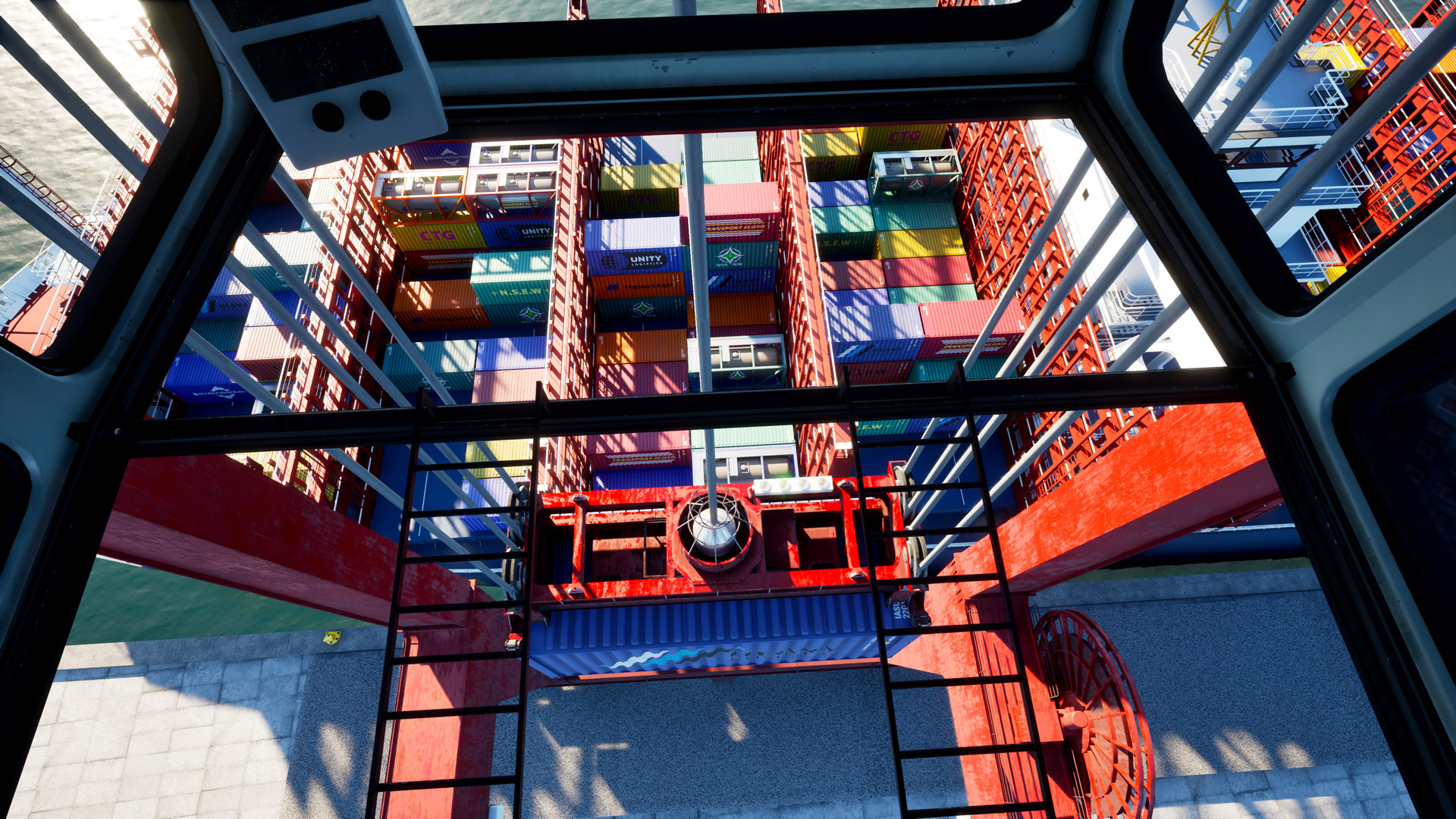
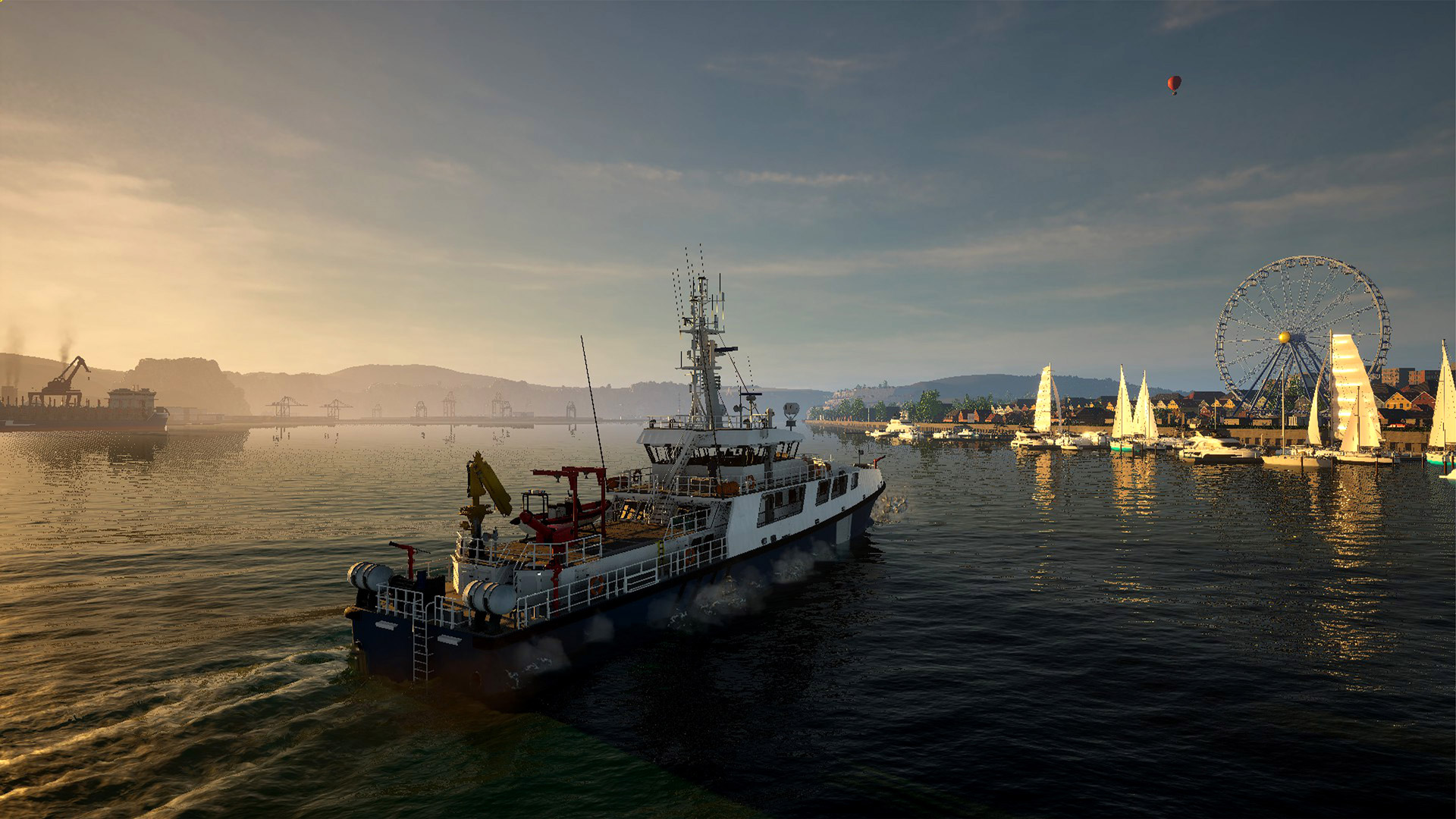
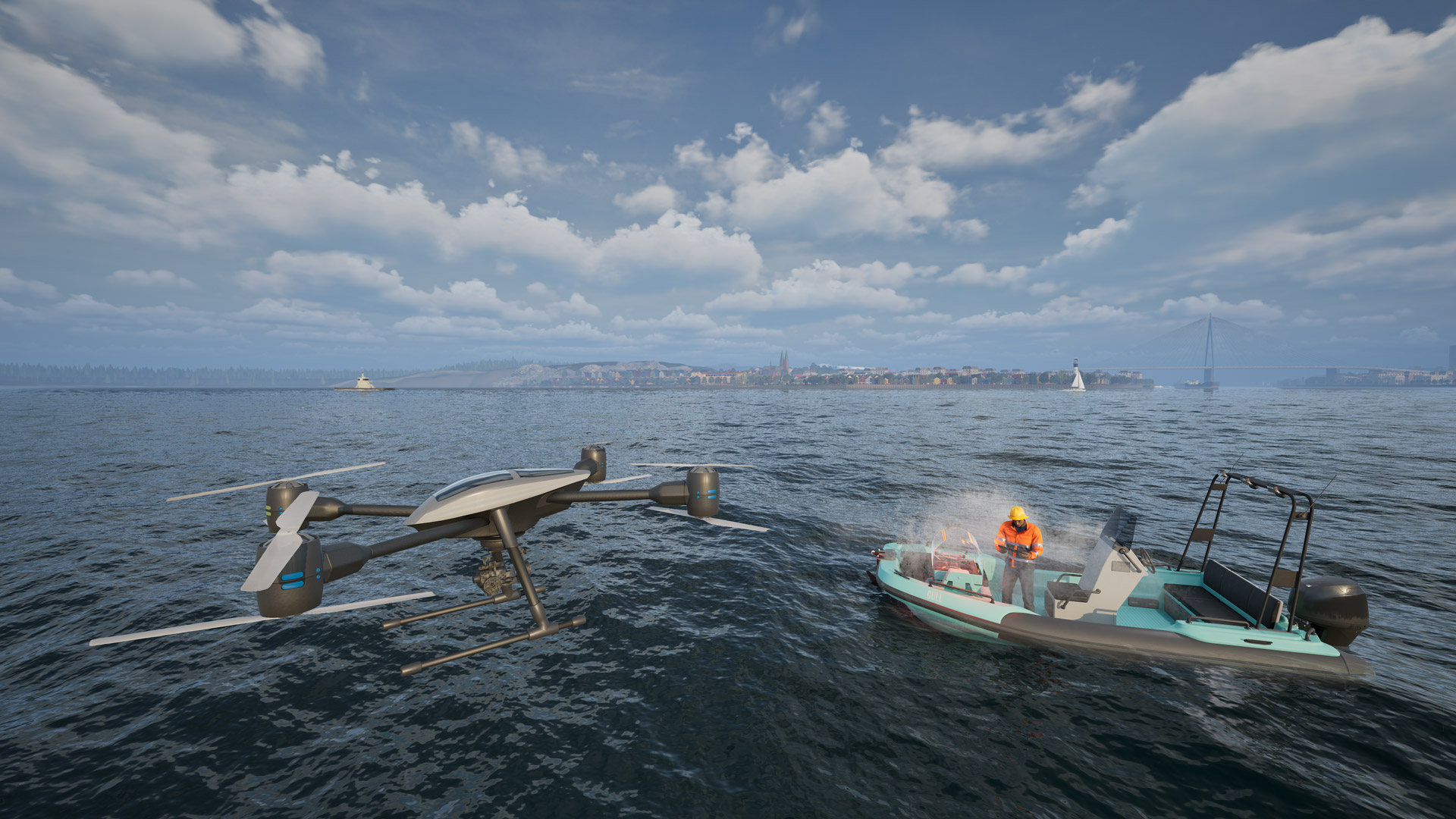
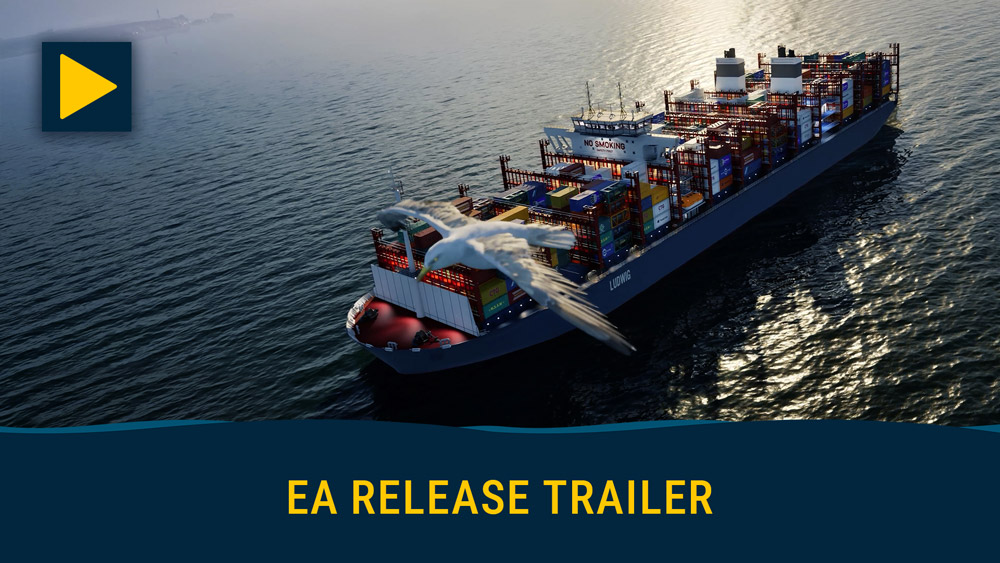
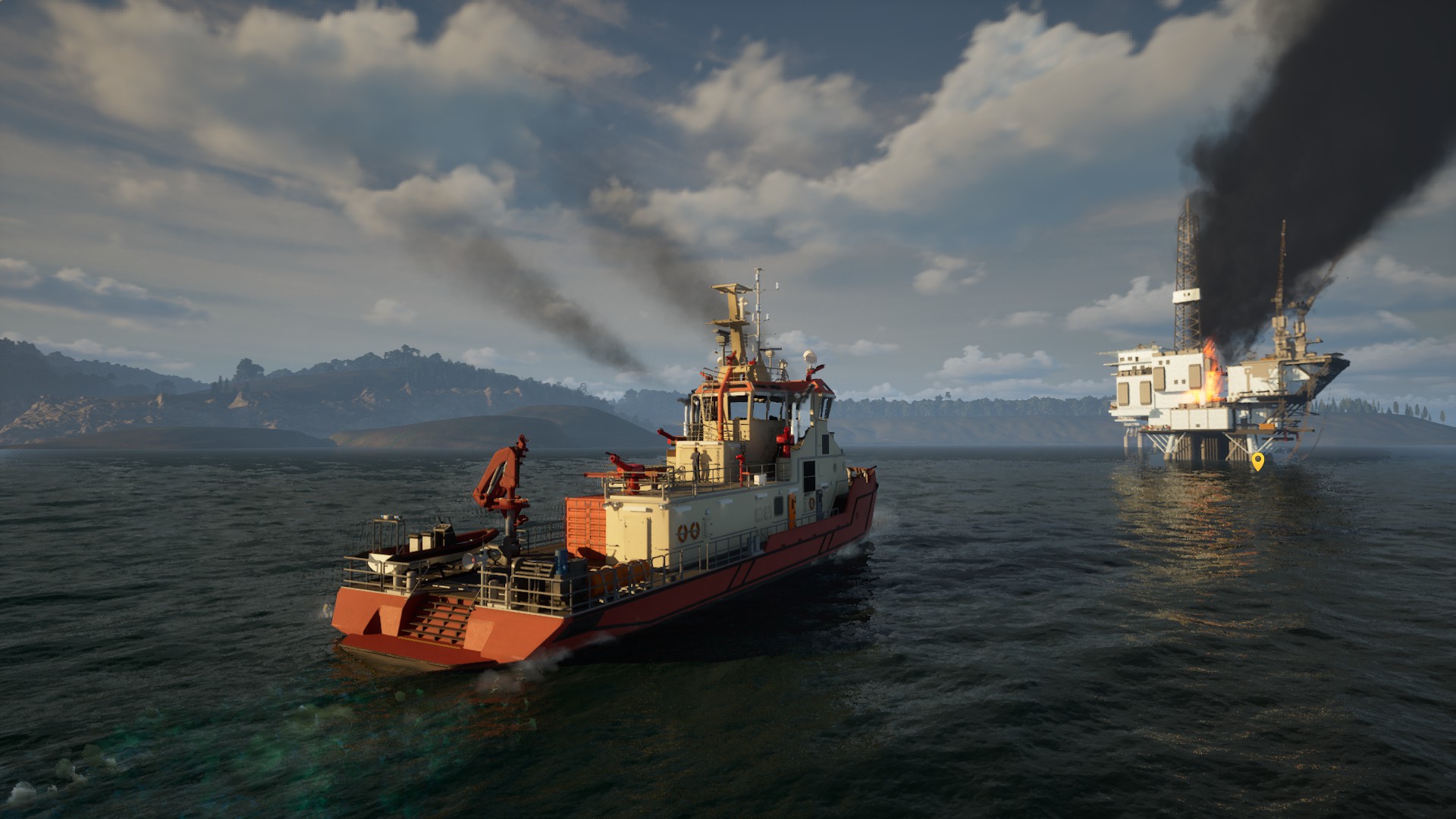
Choose from a growing fleet of vessels that range from small work boats to true giants of the sea. Patrol harbours and coastlines, load containers and bulk cargo with massive cranes, transport delicate LNG, answer distress calls, rescue stranded crews, fight fires, salvage lost freight, or guide huge ships safely into dock.
Or simply just enjoy the view from the bridge and snap a few pics.
Check out the roadmap to see what’s coming next. New vessels and features are on the way, while existing systems continue to be refined and polished. Multiplayer and ship customisation are also on the horizon.
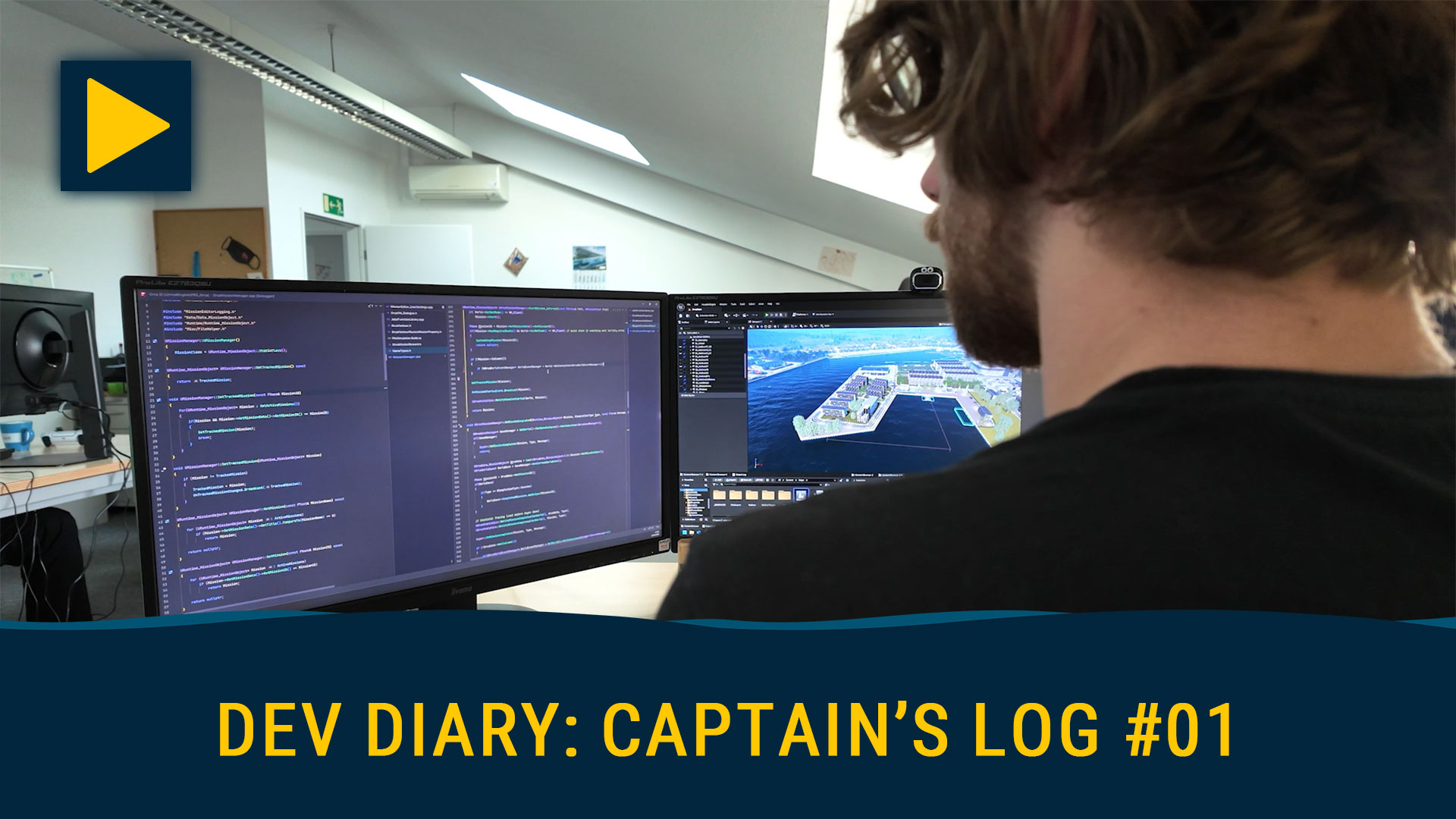
Early Access means we’re building this together. Your feedback, ideas, and reports genuinely help plot the course ahead. Join us on this voyage through the sometimes stormy seas of development and let’s aim for smooth sailing toward full release.
The search term typically emerges from desperate forum posts on GBAtemp, Reddit (r/PSP), or Wololo.net. Users report that the standard file fails with specific "anti-piracy" triggers or advanced CD audio tracks.
If your games are running perfectly now, you don't need to switch. But if you’re seeing frames drop in Tekken 3 or Ridge Racer Type 4 , this file is often the "magic fix." psxonpsp660bin better
: Some emulators (like RetroArch) recognize it automatically. However, if your device is stubborn, you can rename it to match the file it's looking for (e.g., rename psxonpsp660.bin to scph5501.bin ) to "trick" the system into using the better code. The search term typically emerges from desperate forum
In this article, we will explore why is a search query that saves sanity, how it compares to older POPS versions, and the technical reasons why this specific firmware dump reigns supreme. But if you’re seeing frames drop in Tekken
: It has been patched to work with a wider range of games, often resolving issues that cause crashes or glitches with older BIOS versions like scph1001.bin Universal Utility
Performance and stability also play a huge role in its popularity. Because this BIOS was tuned for the PSP's limited resources, it is incredibly "light." It skips the lengthy, iconic Sony startup animation by default, leading to faster boot times. More importantly, it handles certain timing-sensitive operations more gracefully than older BIOS dumps. In many cases, games that suffer from stuttering audio or minor graphical glitches on the original SCPH-1001 BIOS run flawlessly when switched to the 660bin.
Modern emulators are moving toward high-level emulation (HLE), which focuses on the intent of the code rather than the cycle-perfect reproduction of the hardware. The psxonpsp660.bin aligns perfectly with this philosophy. It is a modernized BIOS, free of some of the legacy bugs present in early hardware revisions (like the notorious skip protection issues in older SCPH models). By using this file, the emulator is running a version of the system software that represents the pinnacle of the PS1's lifecycle, stripped of the inefficiencies of the launch-era hardware. This often results in faster boot times and cleaner memory management within the emulated environment.
Subscribe to our newsletter to get the latest news of Seafarer: The Ship Sim right in your inbox. Please note that you have to confirm your subscription before receiving our newsletter.
The search term typically emerges from desperate forum posts on GBAtemp, Reddit (r/PSP), or Wololo.net. Users report that the standard file fails with specific "anti-piracy" triggers or advanced CD audio tracks.
If your games are running perfectly now, you don't need to switch. But if you’re seeing frames drop in Tekken 3 or Ridge Racer Type 4 , this file is often the "magic fix."
: Some emulators (like RetroArch) recognize it automatically. However, if your device is stubborn, you can rename it to match the file it's looking for (e.g., rename psxonpsp660.bin to scph5501.bin ) to "trick" the system into using the better code.
In this article, we will explore why is a search query that saves sanity, how it compares to older POPS versions, and the technical reasons why this specific firmware dump reigns supreme.
: It has been patched to work with a wider range of games, often resolving issues that cause crashes or glitches with older BIOS versions like scph1001.bin Universal Utility
Performance and stability also play a huge role in its popularity. Because this BIOS was tuned for the PSP's limited resources, it is incredibly "light." It skips the lengthy, iconic Sony startup animation by default, leading to faster boot times. More importantly, it handles certain timing-sensitive operations more gracefully than older BIOS dumps. In many cases, games that suffer from stuttering audio or minor graphical glitches on the original SCPH-1001 BIOS run flawlessly when switched to the 660bin.
Modern emulators are moving toward high-level emulation (HLE), which focuses on the intent of the code rather than the cycle-perfect reproduction of the hardware. The psxonpsp660.bin aligns perfectly with this philosophy. It is a modernized BIOS, free of some of the legacy bugs present in early hardware revisions (like the notorious skip protection issues in older SCPH models). By using this file, the emulator is running a version of the system software that represents the pinnacle of the PS1's lifecycle, stripped of the inefficiencies of the launch-era hardware. This often results in faster boot times and cleaner memory management within the emulated environment.