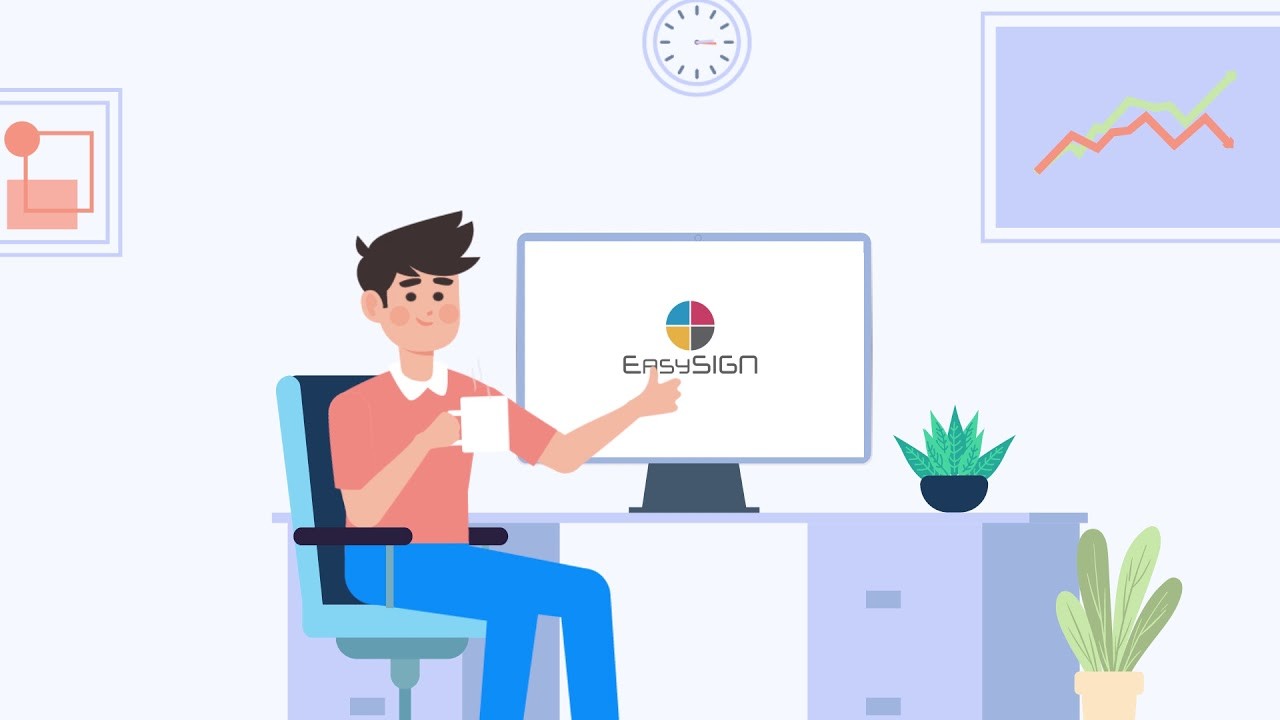
Produzieren Sie schnell, fehlerfrei und liefern Sie hochwertige Arbeit. Sie müssen kein Experte oder erfahrener Designer sein, um EasySIGN zu nutzen. Importieren Sie einfach das Design Ihres Kunden oder nutzen Sie eine der vielen Vorlagen, um mit nur wenigen Klicks ein perfektes Schilderdesign zu erstellen. Ein Knopfdruck genügt, und Sie erstellen beeindruckende Schilder aus Ihrem Schilderdesign.
Mit EasySIGN zu produzieren ist wirklich einfach! Erstellen Sie mit nur wenigen Klicks alles, was Ihnen gefällt
















Miran is a well-known Japanese transgender adult entertainer. In the context of Japanese media:
You’ve probably heard of (Trans-Exclusionary Radical Feminists)—a small but loud minority, often from lesbian spaces, who argue that trans women aren't "real" women. This has caused real rifts. Similarly, some gay men’s spaces have historically been unwelcoming to trans masculine people. shemale japan miran fixed
This intersectionality has forced to mature. No longer can queer spaces be exclusively white, wealthy, and cisgender. The rise of movements like Black Trans Lives Matter has recentered the conversation around safety and visibility, demanding that mainstream gay bars, pride parades, and advocacy groups actively protect the most vulnerable members of the umbrella. Miran is a well-known Japanese transgender adult entertainer
The modern LGBTQ+ rights movement didn’t start in boardrooms; it started in the streets, led largely by transgender women of color. Figures like and Sylvia Rivera were at the forefront of the 1969 Stonewall Uprising. At the time, the distinction between "gay" and "transgender" was less rigid in the public eye—everyone who defied traditional gender and sexual norms was grouped together. Similarly, some gay men’s spaces have historically been
This linguistic shift is profoundly political. It forces culture to acknowledge that gender is a performance, not a biological destiny. For the broader LGBTQ community, this liberation extends to cisgender gay and lesbian people as well. A butch lesbian who uses "she/her" but presents masculine is now understood not as a failure of womanhood, but as an expression of a spectrum. A flamboyant gay man who uses "he/him" but wears dresses is no longer seen as "confused," but as gender-nonconforming.
Miran is a well-known Japanese transgender adult entertainer. In the context of Japanese media:
You’ve probably heard of (Trans-Exclusionary Radical Feminists)—a small but loud minority, often from lesbian spaces, who argue that trans women aren't "real" women. This has caused real rifts. Similarly, some gay men’s spaces have historically been unwelcoming to trans masculine people.
This intersectionality has forced to mature. No longer can queer spaces be exclusively white, wealthy, and cisgender. The rise of movements like Black Trans Lives Matter has recentered the conversation around safety and visibility, demanding that mainstream gay bars, pride parades, and advocacy groups actively protect the most vulnerable members of the umbrella.
The modern LGBTQ+ rights movement didn’t start in boardrooms; it started in the streets, led largely by transgender women of color. Figures like and Sylvia Rivera were at the forefront of the 1969 Stonewall Uprising. At the time, the distinction between "gay" and "transgender" was less rigid in the public eye—everyone who defied traditional gender and sexual norms was grouped together.
This linguistic shift is profoundly political. It forces culture to acknowledge that gender is a performance, not a biological destiny. For the broader LGBTQ community, this liberation extends to cisgender gay and lesbian people as well. A butch lesbian who uses "she/her" but presents masculine is now understood not as a failure of womanhood, but as an expression of a spectrum. A flamboyant gay man who uses "he/him" but wears dresses is no longer seen as "confused," but as gender-nonconforming.